
Where Is Homework Illegal Around the World?
If you have ever searched to find out where homework is illegal, you have probably run into a mix of bold claims, viral headlines, and very little clear detail. The short answer is that homework is almost never made truly illegal by national law, but many countries, districts, and individual schools have limited, discouraged, or effectively banned it in certain grades.
This guide walks through the real story: what a homework ban actually means, where policies have restricted homework, why some leaders push for it, and what the trade-offs look like for students, parents, and teachers who live with the results every day.
Is Homework Actually Illegal Anywhere?
Let us clear up the biggest misconception first. When people ask where homework is illegal, they usually imagine a country where a teacher could be arrested or a student fined for finishing a worksheet at the kitchen table. That situation does not exist. No national government treats homework as a criminal act, and there is no place on earth where doing schoolwork at home breaks the law.
What does exist is a spectrum of policy. On one end, some education systems actively encourage homework and pile it on. On the other, some governments, regional authorities, and school boards have passed rules that limit how much homework can be assigned, ban it for certain age groups, or discourage it so strongly that it effectively disappears from daily practice. The word "illegal" gets attached to these stories in headlines, but the accurate word is usually "restricted," "banned within a school," or "discouraged by policy."
Understanding this distinction matters, because the reality is more useful than the myth. A parent who believes homework is banned in a whole country might be surprised to learn the ban only applied to one grade, or one district, or was really a non-binding recommendation. A student hoping to move somewhere homework-free may find that the local school still assigns reading every night. The truth is nuanced, and that nuance is exactly what this article is here to explain.
Key point: Homework is not a crime anywhere. When you see the phrase "homework is illegal," it almost always describes a school-level ban, a local policy, or an official recommendation, not a national law with legal penalties.
What a Homework Ban Really Means
To make sense of the global picture, it helps to understand the different forms a homework restriction can take. These are not all the same thing, and lumping them together is what creates confusion. Broadly, homework policies fall into a few categories, each with a different level of force and a different real-world effect.
National recommendations
Some countries issue guidance from their education ministry suggesting that homework be reduced, capped, or eliminated for younger children. These recommendations shape culture and expectations, but they often leave the final decision to schools or teachers. They are influential without being strictly enforceable, so the everyday experience can vary from one classroom to the next.
Regional or district bans
In many systems, education is managed at the state, provincial, or district level rather than nationally. A single district can vote to end homework in elementary schools, and that decision genuinely binds every school under its authority. These are the closest thing to a real "ban," but they only apply within that region, not across the whole country.
School-level policies
Individual schools frequently set their own homework rules. A principal or school board might decide to scrap traditional homework in favor of reading time, family activities, or no take-home work at all. Because there are thousands of schools making independent choices, the picture within any one country can be genuinely mixed.
Teacher discretion
Finally, even where policy allows homework, many teachers simply choose to assign little or none, especially for very young students. This is not a ban at all, but it produces the same outcome for the families involved. When you hear that "kids there do not get homework," this quiet, informal version is often what is really happening.
Takeaway: "Homework banned in Country X" can mean anything from a strict district rule to a gentle national suggestion. Always ask which grades, which region, and whether the rule is binding before believing a sweeping headline.
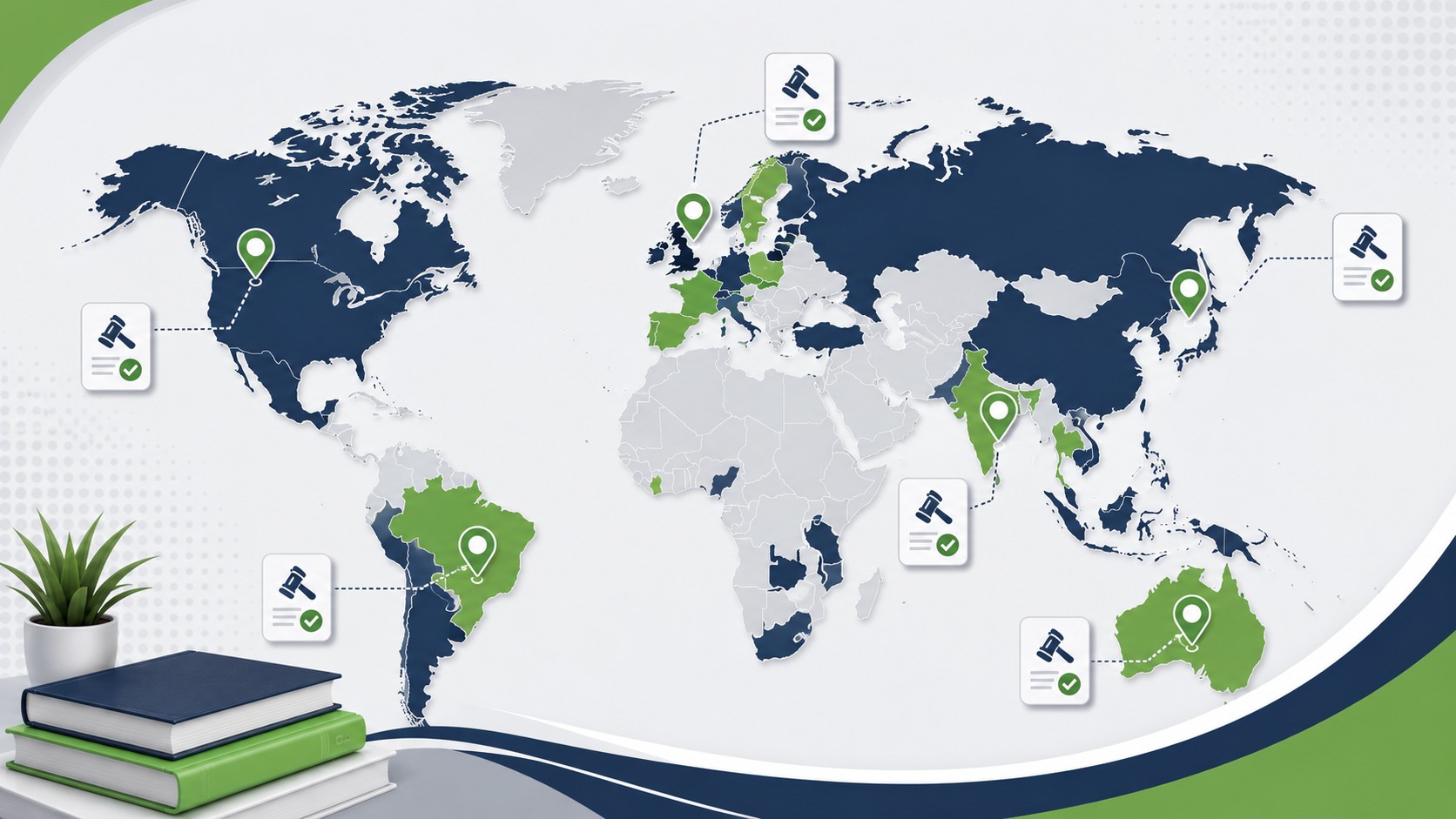
Countries and Places Often Linked to Homework Bans
Now for the part most people came for. Several countries and regions come up again and again in conversations about limiting homework. Here is a grounded look at what is actually happening in each, keeping the claims general and avoiding the exaggerations that circulate online.
Finland
Finland is the country most often mentioned when people talk about a homework-free education system, and for good reason. Finnish schools are known for assigning relatively little homework compared with many other developed nations, especially in the early years. The philosophy behind this is that children learn well within the school day, that rest and play matter, and that a shorter, focused school experience can still produce strong results. Homework is not outlawed in Finland, but the culture and structure of the system keep it light by design.
France
France has a notable history with this debate. A French president once publicly proposed ending homework in primary schools, arguing that it created unfair advantages for children whose families could help them at home while disadvantaging those who could not. The proposal drew a great deal of attention and reflected a real equity concern. While the debate influenced discussion and some practice, the idea of banning written homework for young pupils has long roots in French education policy, and the enforcement has always been uneven in practice.
United States
The United States does not have a national homework law, because education is largely controlled at the state and local level. What the country does have is a patchwork of district and school decisions. Some districts, particularly at the elementary level, have adopted no-homework or limited-homework policies, replacing traditional assignments with independent reading or family time. These changes are local, they come and go with school boards and leadership, and they coexist with plenty of districts that still assign homework heavily. So while you will read that "some American schools banned homework," it is always a local story, never a national one.
Other countries in the conversation
Various other nations appear in these discussions from time to time, usually because a minister proposed a cap, a city trialed reduced homework, or a school made headlines for dropping it. The pattern is consistent: bold announcements, local or partial implementation, and ongoing debate. Rather than treating any single country as a homework-free utopia, it is more accurate to see a worldwide conversation in which many places are experimenting with limits, especially for the youngest learners.
Watch out: Viral posts love to claim entire countries have "banned homework forever." Policies change with governments and school boards, and a rule that existed a few years ago may have been revised. Always check the specific place, grade, and year before repeating a claim.
A Quick Comparison of Homework Policy Types
Because the terminology causes so much confusion, the table below breaks down the main types of homework policy, how binding they are, and what students and parents actually experience under each. This is the difference between a headline and reality.
| Policy Type | Who Sets It | How Binding | Real Effect on Students |
|---|---|---|---|
| National recommendation | Education ministry | Guidance, often not enforced | Varies by school; sets a cultural tone |
| Regional or district ban | State, province, or district | Binding within that area | Consistent change for all local schools |
| School policy | Principal or school board | Binding within that school | One school differs from its neighbors |
| Teacher discretion | Individual teacher | Not a rule at all | Some classes get none, others plenty |
| National law banning homework | Does not exist anywhere | N/A | No student is protected by such a law |
Struggling to keep up with your homework load?
Whether your school piles it on or leaves you to figure things out alone, EasyAssignments can help you stay organized, understand the material, and hand in strong work on time. Get support that fits your schedule.
Why Do Some Places Ban or Limit Homework?
The movement to restrict homework is not random. It grows out of real concerns backed by educators, parents, and researchers who have questioned whether traditional homework delivers what it promises. Understanding these arguments helps explain why the debate keeps resurfacing across so many countries.
Student wellbeing and stress
One of the strongest arguments for limiting homework is the effect of heavy workloads on children's mental and physical health. Long hours of assignments after a full school day can cut into sleep, family time, exercise, and unstructured play, all of which matter for healthy development. Critics argue that piling on homework, especially for young children, can produce burnout and anxiety without a matching gain in learning.
Questionable benefit for young children
A common thread in the research discussion is that homework tends to show more measurable benefit for older students than for very young ones. For children in the earliest grades, the case for nightly written assignments is weaker, which is exactly why bans and limits so often target elementary levels while leaving high school largely untouched.
Fairness and the home environment
Homework does not land equally on every child. Students with quiet study space, reliable internet, books at home, and parents who can help are at an advantage over classmates who lack those resources or who carry responsibilities like caring for siblings or working part-time. Some policymakers see reducing homework as a way to level the playing field so that school achievement depends less on what happens after the final bell.
Family time and childhood
There is also a broader philosophical argument that childhood should include more than academics. Advocates for less homework often want children to have time for hobbies, sports, rest, and simply being with family. From this view, the evening belongs to the family, not to the school, and lighter homework respects that boundary.

The Case for Keeping Homework
To be fair and accurate, the argument runs in both directions. Plenty of educators and parents defend homework, and the reasons deserve a full hearing. A balanced view of where homework is limited must also explain why so many systems keep it.
Reinforcing what was learned
Supporters point out that practice strengthens learning. Reviewing material at home, working through problems, and revisiting a lesson can help concepts stick in a way that a single classroom explanation may not. For skills that build on repetition, such as math or a new language, regular practice can genuinely help.
Building independence and time management
Homework can also teach skills that go beyond any single subject. Managing deadlines, working without a teacher standing over you, and taking responsibility for your own progress are habits that carry into university and working life. Defenders argue that removing homework entirely removes a low-stakes place to build these habits.
Preparing for higher grades and exams
As students move toward final exams, university entrance, and demanding programs, independent study becomes unavoidable. Homework in earlier years can act as a gentle on-ramp, so that a student is not suddenly overwhelmed the first time serious independent work is expected. This is a key reason bans rarely reach the upper grades.
Connecting families to learning
Homework can give parents a window into what their child is studying and how they are doing. A parent who sees the assignments has a chance to notice struggles early, celebrate progress, and stay involved. Removing homework can, in some cases, reduce that visibility.
Balanced view: The healthiest debates are not about whether homework should exist at all, but about how much, what kind, and for which ages. Quality and purpose matter more than sheer quantity.
What This Means for Students and Parents Today
Whether your school assigns a lot of homework or very little, the practical goal is the same: learn effectively without burning out. Rather than hoping for a ban, most students benefit more from a smart, sustainable approach to whatever workload they actually face. Here are the strategies that hold up regardless of local policy.
- Focus on understanding rather than just finishing. Completed worksheets mean little if the concept did not stick, so treat homework as a checkpoint for real comprehension.
- Protect sleep and downtime. Rest is not a reward for finishing work; it is part of how the brain consolidates learning, so guard it.
- Break large tasks into smaller pieces. A big assignment feels less crushing when split across several short, focused sessions rather than one long panic.
- Ask for help early. Reaching out when confused, whether to a teacher, classmate, or tutor, saves hours of frustration later.
- Build a simple routine. A predictable time and quiet space for study lowers the daily friction of getting started.
- Talk to teachers about workload. If homework is genuinely overwhelming, a calm conversation can lead to reasonable adjustments more often than students expect.
For parents, the most useful stance is usually support rather than pressure. Helping a child build routines, protecting their rest, and staying in touch with teachers tends to do more good than either doing the work for them or demanding perfection. The aim is a child who can eventually manage their own learning with confidence.
Quality over quantity
A short, meaningful task beats hours of busywork. If homework feels pointless, it is worth raising the concern with the school.
Age matters
Light or no homework makes more sense for young children, while independent study grows more valuable as exams approach.
Fairness counts
Not every child has the same support at home, so flexible expectations help level the field for everyone.
Balance wins
Rest, activity, and family time are not distractions from learning; they help make learning stick.
How EasyAssignments Fits Into the Picture
No matter where you live or what your school's homework policy looks like, there will be times when the workload feels heavy or a subject just does not click. That is where structured, honest study support makes a difference. EasyAssignments helps students understand their assignments, organize their time, and produce work they can be proud of, so that homework becomes a manageable part of life rather than a source of dread.
The goal is never to remove learning from the equation. It is to make sure that when the work is confusing, rushed, or simply too much all at once, you have somewhere reliable to turn. If you want a clearer, calmer path through your assignments, you can get a free quote or talk to our support team any time.
Frequently Asked Questions
Is homework illegal in any country?
No. There is no country where homework is a crime or where doing schoolwork at home carries a legal penalty. When people say homework is illegal, they are usually describing a school ban, a district rule, or a national recommendation to reduce it, none of which is criminal law.
Which country is known for having the least homework?
Finland is the country most often cited for assigning relatively little homework, particularly for younger students. This reflects a broader educational philosophy that values learning within the school day, along with rest and play, rather than any outright legal ban on homework.
Did any country really try to ban homework?
Yes, in the sense that leaders and local authorities have proposed and sometimes enacted homework limits, often for primary school children. A French president famously proposed ending homework for young pupils on fairness grounds. These efforts were about restricting or reducing homework in specific grades, not making it illegal everywhere.
Can a school in my area decide to ban homework?
In many education systems, yes. Because homework rules are usually set at the district, school, or teacher level, a local school or board can choose to reduce or eliminate traditional homework. This is exactly why homework practices vary so much even within the same country.
Whatever Your Homework Policy, You Do Not Have to Face It Alone
Homework may never be truly illegal anywhere, but that does not mean it always feels fair or manageable. EasyAssignments is here to help you stay on top of your workload, understand your subjects, and submit work you feel good about.